
Motorcycle accidents involving alcohol in Brooklyn, New York, carry severe legal repercussions due to riders' vulnerability. Cases center on driver negligence and liability, with key factors including witness statements, blood alcohol levels, and security camera footage. Brooklyn's legal precedents emphasize justice for victims by holding accountable those under the influence who breach safety standards. Manhattan, with stricter traffic regulations, shows lower rates of alcohol-related crashes. Cyclists have legal options to seek compensation for injuries caused by negligent drivers, including medical expenses, pain and suffering, and related losses. Legal strategies align with New York State laws regarding cyclist rights and responsibilities, focusing on demonstrating driver negligence.
In Manhattan, cyclist safety has become a pressing legal issue, with motorcycle accidents causing significant injuries and fatalities. This article delves into the complex web of laws and strategies surrounding these incidents, particularly focusing on cases involving alcohol. We compare accident statistics between Manhattan and Brooklyn, explore the rights of cyclists and drivers, and provide insights into building strong legal cases. Understanding these dynamics is crucial for both victims seeking compensation and professionals navigating cyclist safety lawsuits in New York City.
- Understanding Motorcycle Accidents in Manhattan: A Legal Perspective
- The Role of Alcohol in Cyclist Safety Lawsuits
- Brooklyn vs Manhattan: Comparing Accident Statistics and Laws
- Rights and Responsibilities of Cyclists and Drivers
- Building a Case: Evidence, Witnesses, and Legal Strategies
- Potential Compensation and Legal Recourse for Cyclist Injuries
Understanding Motorcycle Accidents in Manhattan: A Legal Perspective

In Manhattan, motorcycle accidents can have severe consequences due to the vulnerability of riders. When these incidents involve alcohol, legal complexities arise, requiring a nuanced understanding from a legal perspective. A Cyclist Safety Lawsuit in Manhattan often centers around negligence, especially when drivers under the influence collide with motorcyclists. In such cases, establishing liability becomes crucial, considering factors like witness statements, blood alcohol levels, and security camera footage.
Alcohol-related Motorcycle Accidents in Brooklyn have led to significant legal precedents, shaping how these cases are handled. The legal system aims to ensure justice for victims by holding accountable those who breach safety standards, particularly when under the influence. This involves rigorous investigations, expert testimony, and a thorough examination of local laws and regulations related to driver responsibility and motorcycle safety.
The Role of Alcohol in Cyclist Safety Lawsuits

In many cyclist safety lawsuits across Manhattan and beyond, alcohol plays a significant role in the narrative. When motorcycle accidents involving alcohol occur, the consequences can be devastating for cyclists. The presence of alcohol impairs judgment and reflexes, making drivers more likely to make dangerous decisions on the road. This heightened risk applies especially to cyclists, who may be more vulnerable due to their smaller size and lack of protection.
In Brooklyn, where motorcycle accidents are not uncommon, legal cases often revolve around driver negligence, with alcohol consumption being a critical factor. These lawsuits aim to hold accountable those who operate vehicles while under the influence, ensuring that victims of such accidents receive the compensation they deserve for medical expenses, pain and suffering, and other related losses.
Brooklyn vs Manhattan: Comparing Accident Statistics and Laws
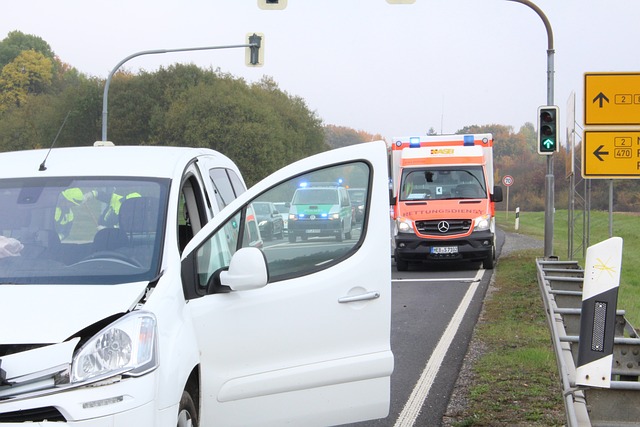
In comparing accident statistics between Brooklyn and Manhattan, it’s evident that New York City’s diverse boroughs present unique challenges for cyclist safety. Brooklyn, known for its vibrant yet chaotic streets, often sees a higher number of motorcycle accidents involving alcohol compared to Manhattan. According to recent data, Brooklyn’s bustling neighborhoods and heavy traffic flow contribute to a statistically higher rate of collisions, especially during late-night hours when alcohol consumption is more prevalent.
In contrast, Manhattan’s gridlock streets and stricter traffic regulations result in different accident patterns. While the city has made strides in enhancing cyclist safety, accidents still occur at intersections and during transit. However, compared to Brooklyn, Manhattan’s data shows a lower incidence of motorcycle accidents linked to alcohol abuse, reflecting potential improvements in enforcement and public awareness campaigns targeting responsible riding and drinking behaviors.
Rights and Responsibilities of Cyclists and Drivers

In New York City, cyclists have the same rights and responsibilities as drivers. This means that both parties must adhere to traffic laws, including stop signs, red lights, and yield signals. Cyclists are required to ride in the same direction as traffic, use hand signals for turns, and wear a helmet (for riders under 18). They also have a duty to be visible, using reflectors and lights during low-light conditions.
Drivers, on their part, must exercise reasonable care when sharing the road with cyclists. This includes maintaining a safe distance, especially when passing, and being cautious in areas with high cyclist traffic. In cases involving motorcycle accidents with alcohol in Brooklyn or anywhere else, the rules of responsibility become even more critical. Drivers found to be under the influence not only endanger themselves but also put others at significant risk, including cyclists, who may suffer severe injuries or worse due to such negligent behavior.
Building a Case: Evidence, Witnesses, and Legal Strategies

When building a case for a Cyclist Safety Lawsuit in Manhattan, the first step is to gather comprehensive evidence and testimonials. In cases involving motorcycle accidents—especially those with alcohol as a factor—evidence can include police reports, medical records detailing injuries, and damning photographs of the crash scene. Witnesses play a pivotal role; nearby pedestrians, other cyclists, or motorists who observed the incident can provide crucial insights into what transpired. These testimonies, combined with expert opinions from medical professionals or transportation specialists, strengthen the plaintiff’s argument significantly.
Legal strategies should be tailored to New York State laws regarding cyclist rights and responsibilities. This may involve demonstrating negligence on the part of the defendant driver, especially if they were under the influence of alcohol. Attorneys can use evidence of impaired driving, such as blood alcohol content (BAC) tests or witness statements about erratic behavior, to substantiate their case. Understanding local traffic laws and regulations is essential; lawyers might also explore potential violations related to unsafe lane changes, speeding, or failure to yield, all of which could contribute to the severity of the accident.
Potential Compensation and Legal Recourse for Cyclist Injuries

In the event of a cyclist injury due to another party’s negligence, such as in motorcycle accidents involving alcohol in Brooklyn, victims have legal recourse and may be entitled to various forms of compensation. This can include medical expenses, both past and future, to cover treatment, rehabilitation, and any necessary surgeries or ongoing care. Additionally, individuals may seek reimbursement for lost wages during their recovery period and potential losses from being unable to work. Pain and suffering, including emotional distress caused by the accident, are also compensable damages.
Legal experts specializing in cyclist safety lawsuits can guide victims through the process, ensuring they receive fair compensation for their injuries. They will collect evidence, such as police reports, witness statements, and surveillance footage, to build a strong case. These attorneys will negotiate with insurance companies or take the matter to court if a settlement cannot be reached, fighting for the rights and interests of the injured cyclist.
In navigating the complexities of cyclist safety lawsuits in Manhattan, understanding the interplay between motorcycle accidents, alcohol involvement, and regional variations like those between Brooklyn and Manhattan is crucial. These factors significantly impact legal strategies, compensation claims, and public safety initiatives. By comparing accident statistics and laws, recognizing the rights and responsibilities of cyclists and drivers, and employing robust evidence and witness testimonies, injured parties can build compelling cases. This, in turn, facilitates enhanced legal recourse and potential compensation for motorcycle-related injuries, ultimately pushing for safer streets across New York City. Moreover, awareness of alcohol’s role in these accidents underscores the need for stricter regulations and public education initiatives to mitigate risks and protect vulnerable cyclists.